
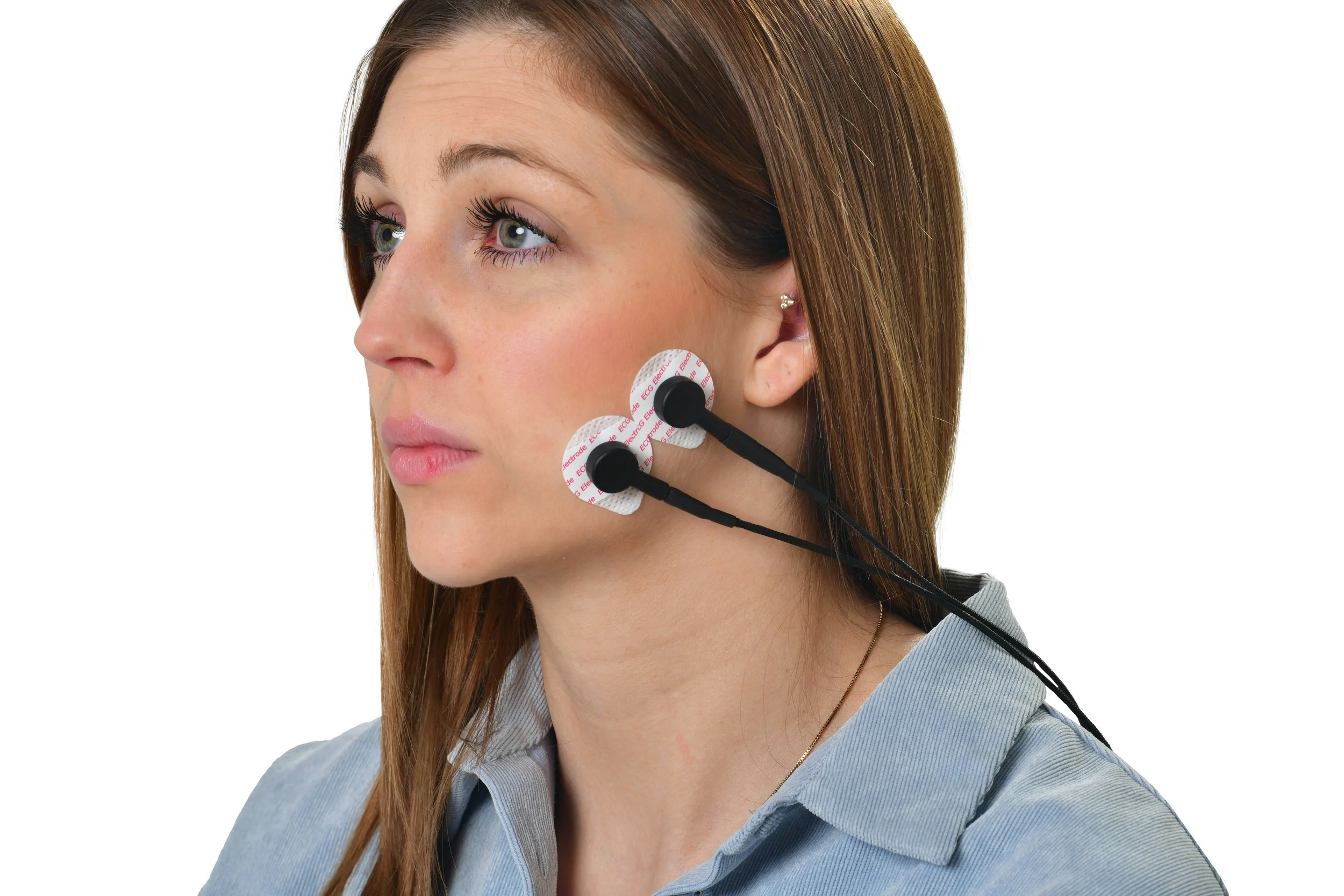
Effective lifestyle changes for TMJ pain include eating soft foods, applying heat or ice packs, reducing stress to stop clenching, and improving posture, and in many cases, these changes are more powerful than any hands-on treatment alone.
When a new patient comes in for TMJ pain, most of them are expecting me to get straight to work on their jaw. And I do, eventually. But before I touch anything, I spend the first part of every appointment talking about sleep, movement, how stress makes TMJ worse, and daily habits. That is not a detour. That is the most important part of my treatment.
Chronic TMJ pain is a multifactorial condition. The joint and the muscles matter, but so do the things happening in your life that load the whole system down. The physical therapists who skip that conversation and go straight to jaw mechanics are likely putting a ceiling on how much progress their patients can make. In my experience, the lifestyle changes are often more powerful than anything I do in the room.
Lifestyle Changes That Make the Biggest Difference for TMJ Pain
I prioritize these roughly in order of impact, though every patient is different and what moves the needle most will vary.
Why Regular Movement Reduces TMJ Pain Signals
Regular exercise helps TMJ pain not just through circulation and endorphins, but because consistent physical load teaches your nervous system to stop treating jaw strain as a danger signal.
Exercise is the single most important lifestyle change for TMJ pain — and honestly, for almost everything else I treat. If a patient is not moving their body regularly, that is the first thing we address before anything else.
That does not mean you need to be in the gym for an hour every day. If you are not doing anything right now, a daily walk is where I want you to start. Just getting outside, getting fresh air, and getting your body moving will already start to shift things. From there, we build.
The reason exercise helps TMJ pain goes deeper than just circulation and endorphins, though those matter too. When you exercise consistently, you are essentially teaching your tissue that load and strain are normal and expected. Your nervous system stops treating every little tug or movement in the jaw as a threat. There is almost an "exposure therapy" quality to it — the more your body learns to handle physical stress, the less reactive it becomes to signals that may otherwise trigger pain.
I have patients who hate walking. Bowling three times a week, gardening, swimming — if it gets them on their feet and moving consistently, that counts. The specific activity matters far less than the consistency.
How to Relax TMJ Muscles Through Daily Habits
Relaxing tight TMJ muscles comes down to daily habits that reduce stress, apply moist heat to overloaded muscles, and interrupt the tension patterns building throughout your day.
Beyond formal exercise, the habits woven into your everyday routine have a significant effect on jaw muscle tension. A few that I come back to most often:
Get off your screens earlier before bed. This one has an outsized effect on sleep quality, and poor sleep keeps your nervous system in a low-level threat state that amplifies pain. Even 30 minutes less screen time before you try to sleep makes a measurable difference for a lot of people.
Build a wind-down ritual. Something as simple as herbal tea before bed, a short walk after dinner, or a few minutes away from work-related tasks signals to your nervous system that the day is ending. These small transitions matter more than people realize.
Check your resting jaw position. Your teeth should not be touching when your mouth is closed and you are at rest. Many people with chronic TMJ are unknowingly holding tension in their jaw for hours throughout the day without realizing it. Tongue softly on the roof of your mouth, teeth slightly apart — that is the target resting position.
Coordinate with your dentist on nightguard use. If you grind at night, that is a direct mechanical stressor on the joint that lifestyle changes alone will not fully address. A properly fitted nightguard takes that load off while you sleep and helps to protect your teeth for the future.
What Good Posture Actually Means for TMJ Pain
Posture affects TMJ pain not through perfect alignment, but through variety — because sustained positions, not poor ones, are what create uneven mechanical load on the jaw and cervical spine.
Posture matters for TMJ, but not in the way most people think. There is a common belief that bad posture causes pain and good posture prevents it — and that correlation simply does not hold up. I see plenty of people with terrible posture who have no jaw pain whatsoever, and plenty of people with near-perfect alignment who are in significant discomfort.
My approach is this: if you are coming to me with TMJ dysfunction and I notice your posture is contributing to how the jaw is loading, then we work on it. If someone comes in for a completely unrelated issue and their posture is poor but they have zero neck or jaw symptoms, I am not going to fix what is not broken.
The goal is not to be in perfect posture all day. That is exhausting and counterproductive. The goal is variety — changing positions regularly, and intermittently correcting when you notice you have collapsed into something that is clearly pulling on the wrong things. That is sustainable in a way that "sit up straight all day" never is.
Behaviors That Worsen TMJ Pain
Repetitive oral habits — gum chewing, nail biting, chin resting — sustain constant low-level muscle activation and joint loading that keeps an irritated TMJ from calming down between meals.
Lifestyle changes work in both directions. The habits below consistently make TMJ pain worse and are worth auditing honestly:
Chewing gum: Repetitive jaw loading with no nutritional payoff. One of the first things I ask patients to cut out.
Eating hard or sticky foods: Nuts, steak, bagels, caramel — anything that requires sustained jaw force or wide opening puts significant strain on an already irritated joint. This doesn't mean staying away from these foods forever, just until the irritated tissue is able to calm down and build up more capacity for this level of exertion.
Nail biting and similar habits: Repetitive low-level clenching and biting patterns keep the muscles in a constant state of activation.
Resting your chin in your hands: Loads the joint asymmetrically for extended periods, often without the person realizing how long they have been doing it.
Stomach sleeping: Forces the head into a rotated position for hours at a time, creating sustained tension through the cervical spine and jaw stabilizers. There again is some nuance here, as a patient who sleeps best on their stomach may still benefit more from better quality sleep than from avoiding this specific tension, but it is worth a conversation.
Ignoring stress: Elevated stress keeps the nervous system in a threat state that amplifies pain signals and drives clenching, often during sleep.
Which TMJ Cases Respond Best to Lifestyle Changes Alone?
How long your TMJ symptoms have been present largely determines how much lifestyle changes alone can shift the underlying pain pattern — and that distinction is worth understanding before you set your expectations.
This is an important distinction that does not get discussed enough, and it matters for understanding what you can reasonably expect.
If your TMJ pain symptoms are relatively recent — building over the past few weeks or months — lifestyle changes alone can often produce significant relief. The stress and nervous system factors are real but have not had time to become deeply embedded in the pain pattern. Some targeted home exercises can genuinely move the needle on their own, and adding in a consistent exercise habit, better sleep, and reduced jaw loading can help amplify that benefit.
Chronic TMJ is a different situation. When symptoms have been present for six months or more, and especially five or ten years, targeted exercises are still important, but the lifestyle changes are even more essential and often more powerful than any specific biomechanical change.
At that stage, the nervous system has had a long time to learn and strengthen this chronic pain pattern, and those lifestyle changes alongside targeted clinical work tends to accelerate and deepen results significantly.
Chronic cases can improve. I have patients who have had jaw pain most of their lives, and finally come in at 75. The moment I give them a movement program and some basic homework, their pain often drops dramatically within a week or two.
Sometimes the body just needed permission to move again. But for most long-term cases, combining lifestyle changes with skilled manual therapy and exercise gives you the best outcome.
How to Maintain TMD Treatment Progress After Physical Therapy Ends
Once symptoms improve, gradually tapering rather than stopping your lifestyle habits preserves the nervous system adaptations that made the changes work in the first place.
A question I get often once patients start feeling better: do I have to keep doing all of this forever?
My honest answer is: not at full intensity, and not necessarily the EXACT same exercises, but do not go cold turkey either. If these habits helped and you were consistent, suddenly stopping everything creates a window of vulnerability. Instead, I have people taper down gradually. Keep doing the things that helped, but reduce the dosage as symptoms allow. If any warning sign comes back, jump straight back to the full routine.
The other thing I always tell patients: you can email or text me even after we have finished treatment. If something starts creeping back and you are not sure whether it warrants a visit, just ask. That early intervention window (before a flare becomes a full setback) is often where the biggest difference gets made.
When Lifestyle Changes Are Not Enough
Persistent jaw locking, tracking shifts, or worsening headaches signal that lifestyle changes alone have reached their limit and need clinical support layered on top to be effective.
Lifestyle changes are powerful, but they are not always sufficient on their own. Seek a professional evaluation if you continue experiencing any of the following:
Jaw clicking or popping that is accompanied by pain or a visible shift in how the jaw tracks
Locking — the jaw getting stuck open or closed
Symptoms that are not improving after several weeks of consistent lifestyle changes
Facial swelling or a feeling that your bite has changed
Headaches that are worsening rather than improving alongside your jaw symptoms
If any of these problems persist while making some of the discussed lifestyle changes, it is worth seeking out more guidance. The good news is that physical therapy for TMJ pain does not have to be aggressive or invasive. It works with the lifestyle foundation you have already built, not instead of it, and layers more powerful tools on top of that foundation for better outcomes.
If you are ready to take the next step, our TMD physical therapy program combines hands-on clinical work with the kind of individualized lifestyle coaching that makes results last.